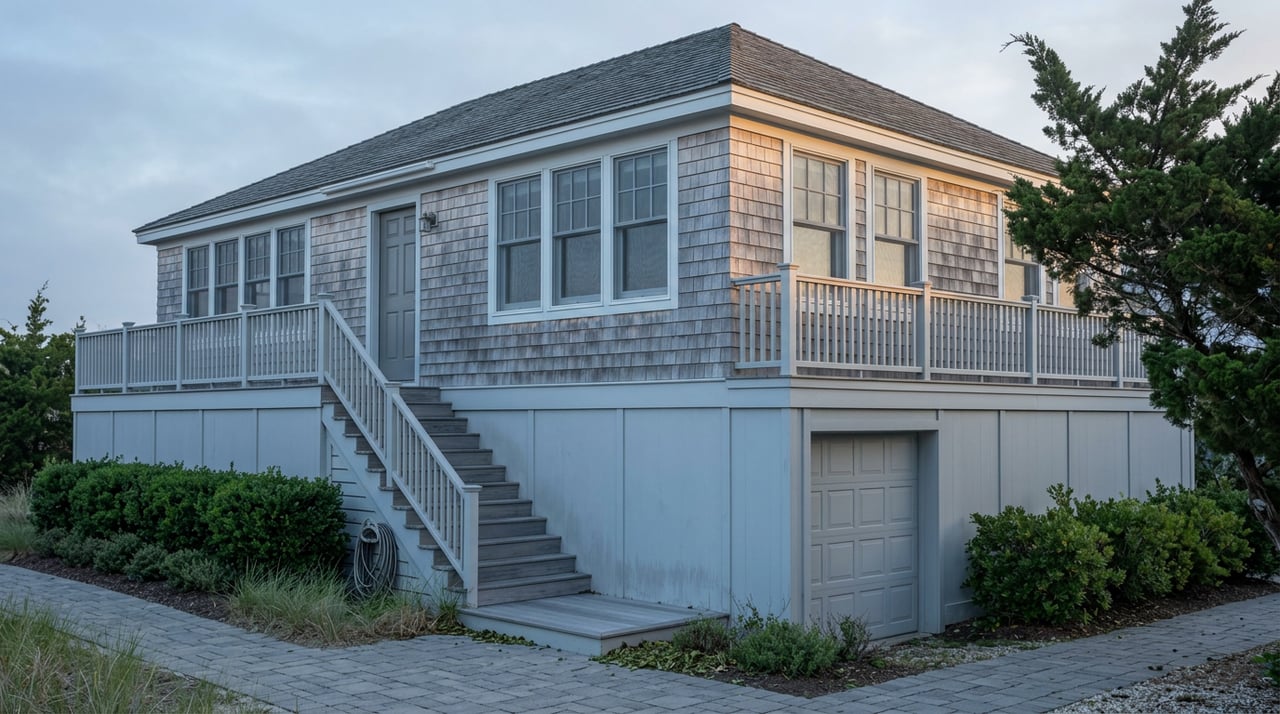
If a Beach Haven listing tells you the house sits in the historic district, which historic district does it mean? The question sounds pedantic until you are the one waiting on a signature before a contractor can start work. Beach Haven has two overlapping designations that share a name and very little else. One is largely symbolic. The other can add months to a renovation timeline and a real decision point to a listing strategy. Sellers, buyers, and anyone planning work on a Beach Haven property benefit from knowing which one actually governs their address, because, according to the Beach Haven Code of Ordinances, only one of them can stop a permit.
Two Beach Havens, One Shared Label
The older designation is the Beach Haven Historic District listed on the National Register of Historic Places. It was added to the register on July 14, 1983, for its significance as a beach-front resort community, and its boundary was expanded on November 19, 2014, to bring the total to 149 contributing buildings. This is a federal recognition. It can matter for certain tax credit programs tied to historic rehabilitation, and it signals architectural and historical significance.
The designation with actual teeth is the one created by the Borough itself. Beach Haven's Historic Preservation Advisory Committee says the Borough established the Historic Preservation Advisory Commission in 2004 and expanded its boundary in 2007 to cover roughly 30 square blocks, running from 5th Street to Chatsworth Avenue and from Bay Avenue to Atlantic Avenue. This is the district that shows up in permit applications, not just history books. If your address falls inside these lines, the Commission has a say in what happens to the outside of your house before the Zoning Office will touch your application.
Real listings make the distinction concrete. It is not unusual to see a Beach Haven property marketed specifically because it sits one block outside this local boundary. One block over, an otherwise identical house triggers a different process entirely. That is not a hypothetical. It is how the market already prices this distinction, whether or not the listing spells out why.
What Actually Requires a Certificate of Appropriateness
Inside the Commission's boundary, a Certificate of Appropriateness has to be issued before a building or zoning permit for a specific list of actions:
- Demolition of a historic landmark or any improvement
- Any major exterior renovation
- Relocation of a landmark or improvement
- Any new construction of a principal or accessory structure
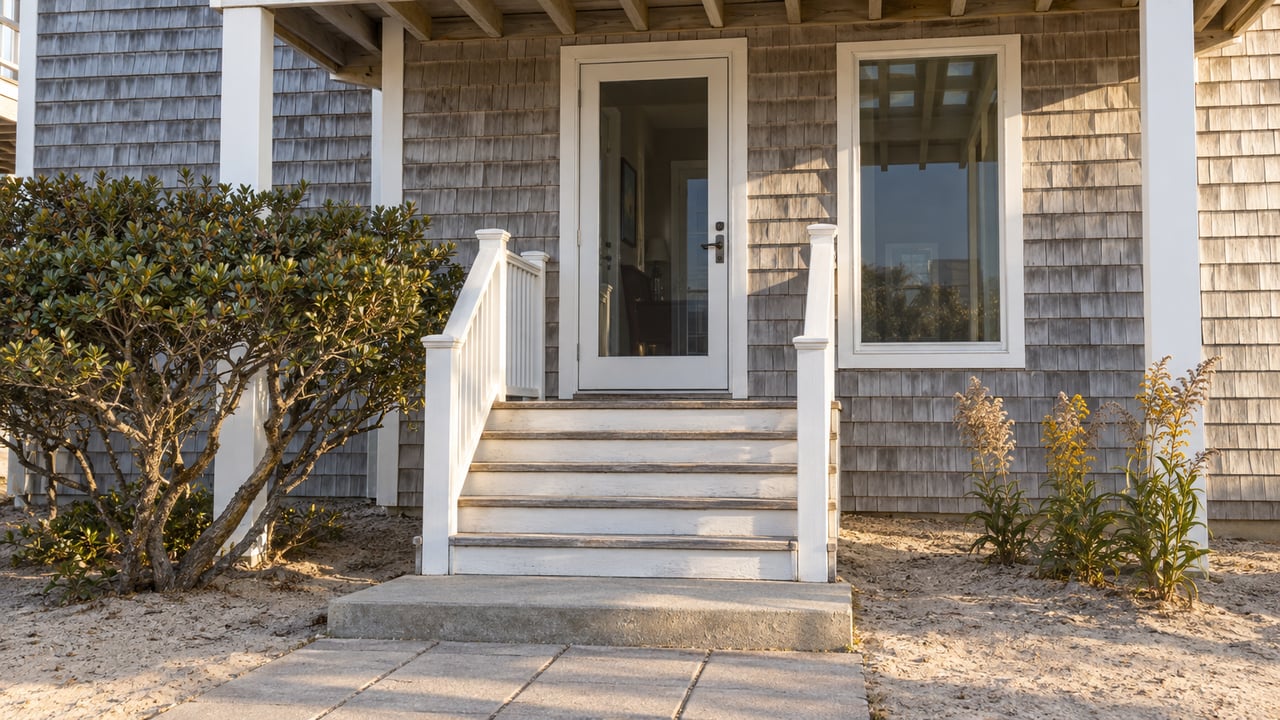
- Repair or replacement of siding
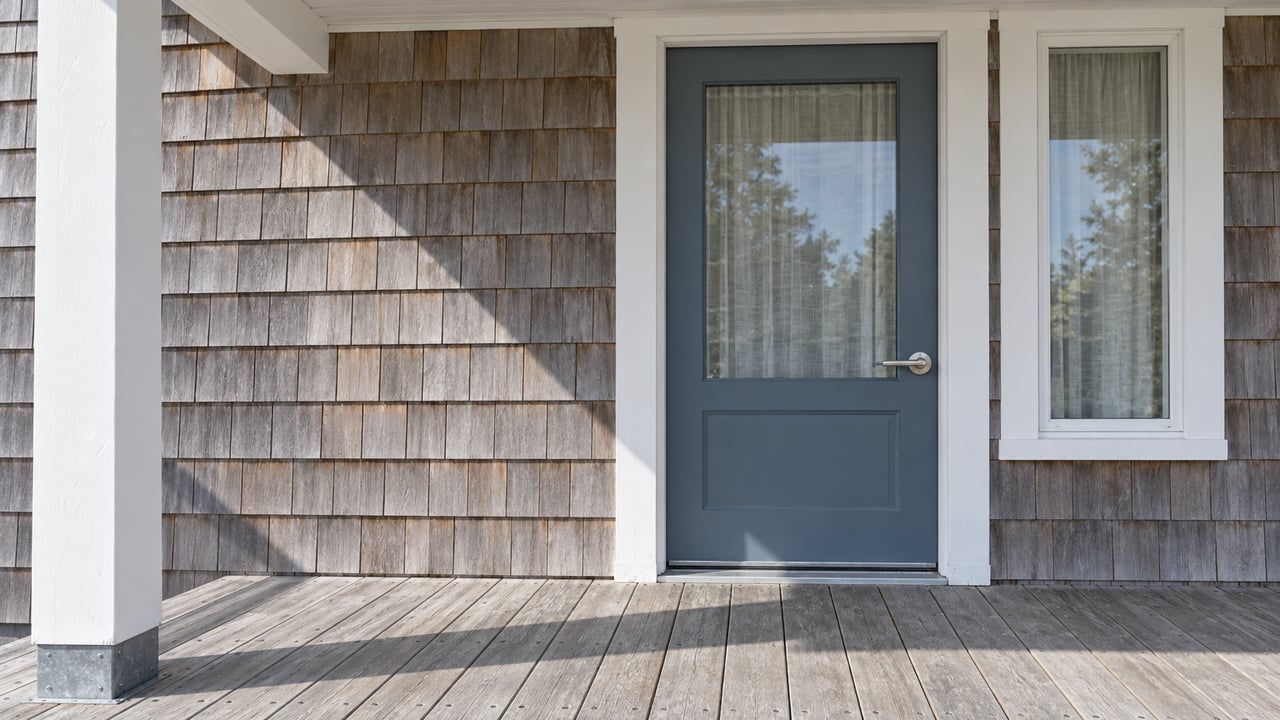
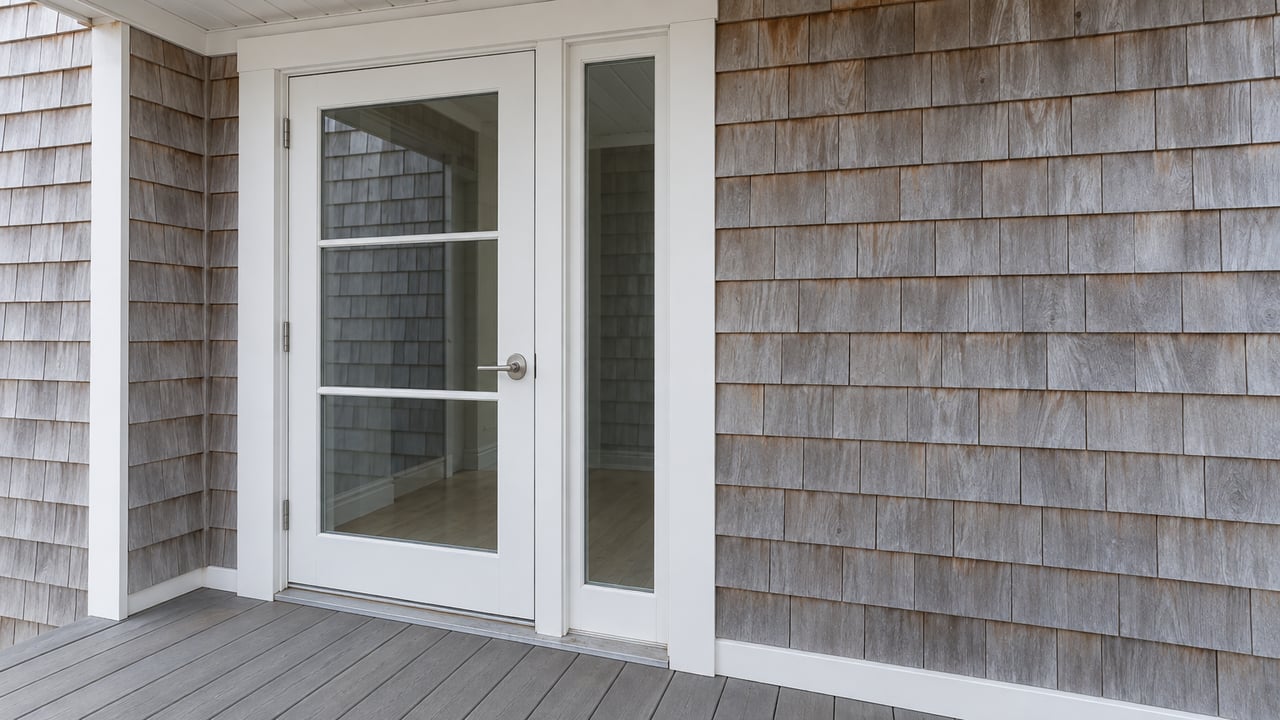
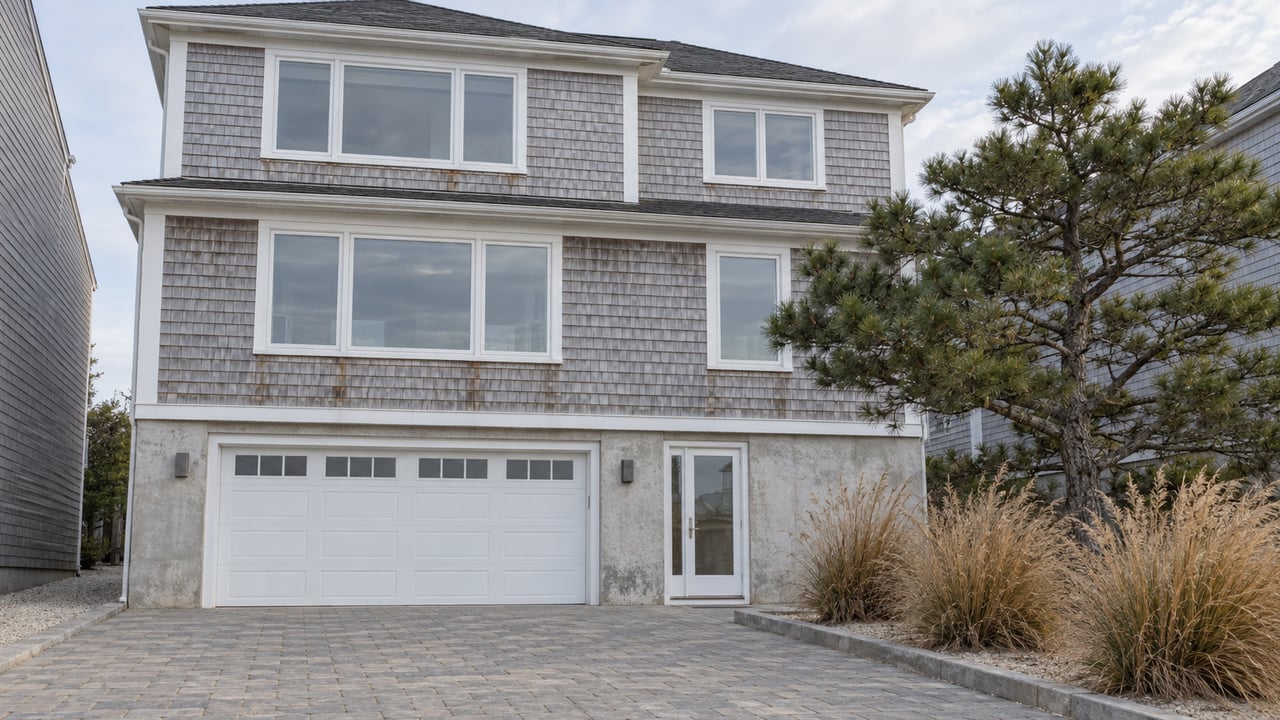
- Repair or replacement of windows, including garage door windows, and doors
The detail that catches most owners off guard sits outside that list. Work that would not normally require a construction permit at all, the category the Borough calls ordinary maintenance, still requires an application to the Commission before the work begins. In practice, that means a homeowner cannot assume that smaller-scope projects are exempt just because they would not trigger a permit anywhere else on the island. The application comes first, not as a formality after the fact.
The Emergency Exception, and What Happens If You're Denied
The ordinance does build in a safety valve. If a historic landmark or district property needs immediate repair to remain habitable or to protect health and safety, the property owner can proceed with emergency repairs as soon as the Construction Official certifies that a genuine emergency exists, without waiting for a Certificate of Appropriateness first. The owner then has 30 days from the start of those emergency repairs to file the Commission application retroactively.
Outside of emergencies, the review itself has real procedural weight. A quorum requires four Commission members, and a majority of those present and voting can grant or deny an application. If the vote ties, the application is treated as denied. A denial is not the end of the road. It can be appealed to the Land Use Board on the record already built before the Commission, following the same path used for an adverse zoning determination elsewhere in the borough.
A Commission the Borough Is Still Adjusting
This is not a dusty rule nobody enforces anymore. The Commission's own composition was still being revised this year. The Borough Council introduced Ordinance 2026-9C in June 2026, restructuring the seven-member Commission by eliminating its second alternate position, and set the measure for final adoption consideration the following month. Local governance around this district is an active process, not a fossil left over from 2004.
The monthly hearings back that up. Meeting records from early 2025 show individual Certificate of Appropriateness applications reviewed for specific addresses, including 220 Coral Street and 121 Second Street, and an April 2025 agenda lists a separate application for 219 North Beach Avenue. These are not abstract policy debates. They are real Beach Haven owners, on real streets inside the district, going through the same sequence a future buyer or seller on those blocks would face.
What This Means If You're Buying, Selling, or Renovating Here
If you are preparing to list a Beach Haven property, the first question is not what your house looks like. It is which side of 5th Street, Chatsworth Avenue, Bay Avenue, and Atlantic Avenue it sits on. A home inside those lines that needs new siding, replacement windows, or an addition before it goes to market should build Commission review time into the pricing and timing conversation, not discover it after a buyer's inspector flags planned work. A property's location relative to those lines is worth stating plainly in the listing rather than leaving a buyer to guess.
If you are under contract on a property in or near the district, ask directly whether the address falls inside the Commission's boundary or only within the broader National Register footprint.
If you already own inside the district and are weighing a project, plan for the application to come before the contractor, not alongside it. Even work that would not need a construction permit anywhere else on Long Beach Island may need Commission review first here.
A Few Questions Worth Asking Before You Commit
Does being listed on the National Register automatically mean the Historic Preservation Advisory Commission has to approve my project? The Commission's authority comes from the local ordinance and the 2007 boundary.
What if my project doesn't need a building permit at all? Inside the Commission's district, that does not exempt you. Projects that qualify as ordinary maintenance still require an application to the Commission before work starts.
What happens if the Commission denies my application? You can appeal to the Land Use Board using the record already established at the Commission hearing, the same path available for other adverse zoning determinations in the borough.
Beach Haven's historic character is part of what makes the neighborhood worth buying into in the first place. Understanding which rules actually apply to a specific address, rather than assuming the two designations are interchangeable, is what keeps a renovation or a sale on schedule instead of stalled on a technicality nobody flagged early enough.
If you are weighing a purchase, a sale, or a renovation on a Beach Haven address and want a clear read on which side of these boundaries your property sits, Paula Brennan can help you sort out the specifics before they become a surprise. Let's Connect.
This article is general information, not legal, tax or financial advice. Consult a qualified professional about your situation.